Honest Assessment
Is Joint Glide a Scam or Legit? Reviews, Complaints & the Facts

Short answer: no, Joint Glide is not a scam, but it's a more nuanced "no" than usual. The product itself is legitimate, a real, fully-labeled supplement from a genuinely credentialed athletic trainer, with a 60-day refund. What's overblown is the marketing: the "rust enzyme," the "7-second trick," and the "avoid surgery" framing oversell what any joint capsule can do. Here's how to tell the real product from the theatrics.
The verdict on "scam"
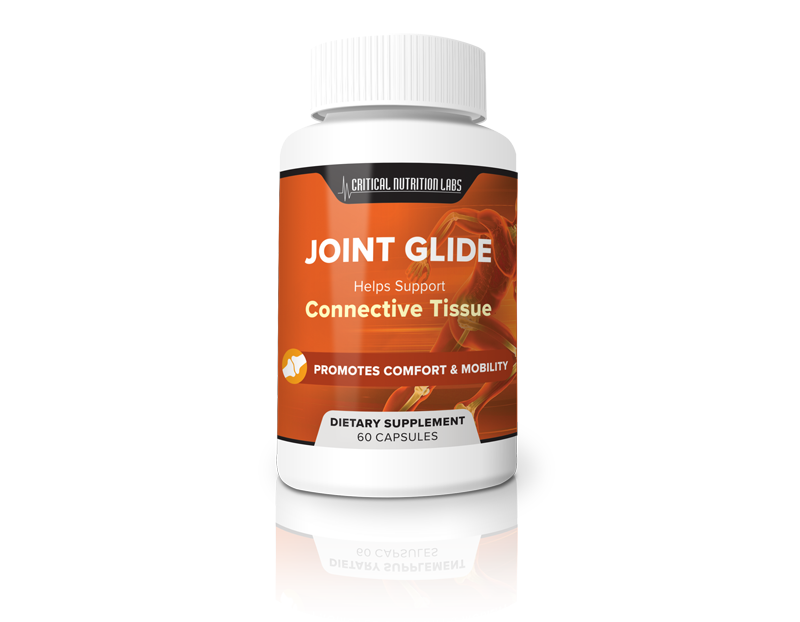
Joint Glide is a legitimate supplement from Critical Nutrition Labs, fronted by Chris Ohocinski, a state-licensed and nationally certified athletic trainer, sold through the trusted retailer ClickBank and backed by a real 60-day money-back guarantee. It prints its full Supplement Facts label, no proprietary blend, and ships as a genuine product. There's no fake persona and nothing hidden in the formula. The sales story is dramatized, but the product behind it is real.
What's legitimate
- A real, credentialed creator. Chris Ohocinski is a state-licensed, nationally certified athletic trainer with a verifiable background in sports medicine. This isn't an anonymous label or a made-up "doctor."
- A fully transparent formula. Every ingredient and dose is printed on the label, with no proprietary blend. That's exactly the disclosure we want to see, and it's what lets us evaluate the product honestly.
- Sensible, evidence-aligned ingredients. Pine bark extract, devil's claw, white willow bark, and the zinc-copper-magnesium trio all have legitimate research behind them for joint comfort and collagen support.
- A real operation with customer support, sold through ClickBank, which processes payments and handles refunds.
- A genuine guarantee. 60 days, money back, honored through ClickBank.
What to keep in perspective
The product is legitimate; what needs a skeptical eye is the presentation:
- The "rust enzyme" is dramatized. MMP enzymes are real and do break down cartilage, but framing them as the single cause of all joint pain, triggered by heavy metals, is a marketing simplification.
- The "7-second trick" is just taking the capsules. There's no special technique, only the two-capsule daily dose.
- The turmeric and collagen scare is misleading. Claiming those ingredients worsen joint pain overstates a narrow contamination issue (lead-adulterated turmeric in some imported batches) into a blanket warning. That's fear marketing, not science.
- "Avoid surgery" oversells. No supplement should be positioned as a substitute for medically indicated surgery. Treat that claim with caution.
- The single-bottle checkout nudges you into an auto-ship. Not a scam, it's disclosed and cancel-anytime, but choose the one-time purchase if you don't want monthly billing.
"Why is there a ClickBank charge on my card?"
A common question: a charge reading "CLKBANK*COM" instead of "Joint Glide." That's normal. Joint Glide is sold through ClickBank, a reputable retailer that processes the payment, so it shows on your statement under their name. If you ordered Joint Glide, the charge is legitimate. If you see a recurring monthly charge you didn't expect, that's most likely the Subscribe & Save auto-ship from the single-bottle option, contact ClickBank support to cancel future shipments or request a refund.
Counterfeits & Where to Buy Joint Glide Safely
Joint Glide is sold only through the official site, with checkout handled by ClickBank. It is not sold officially on Amazon, eBay, Walmart, or in retail stores. If you see a listing on one of those marketplaces, it isn't an authorized channel, and that carries real risks:
- Resellers and old stock. Third-party sellers may ship bottles that are near expiry, poorly stored, or marked up, with no way to verify how they were handled.
- Outright counterfeits. Popular direct-response supplements get faked. A lookalike bottle may contain who-knows-what, with none of the formula or quality control you're paying for.
- Cloned lookalike sites. Some pages copy the official branding to harvest card details or ship a knockoff. Check the URL carefully before you buy.
Crucially, the 60-day money-back guarantee only applies to orders placed through the official site. Buy through a marketplace or a clone and you forfeit that refund, which is exactly where many of the worst "no refund" complaints come from.
One more caution even on the official store: the single-bottle option pre-selects a monthly "Subscribe & Save" auto-ship. To avoid recurring billing, choose the one-time purchase (or a multi-bottle pack, which ships once).
How to buy safely: use the official link, confirm you're on the genuine checkout, and pick the one-time purchase unless you actually want the subscription. We lay out the packages and per-bottle costs on our pricing page.
So should you be worried?
Not about being scammed. You'll receive a real, fully-labeled product from a credentialed trainer, backed by a 60-day refund. The two things to stay level-headed about are the marketing (ignore the theatrics, judge the label) and the checkout (skip the subscription unless you want it). On those terms, it's a legitimate, transparent product, just don't buy it expecting the miracle the video promises.
Check the Official Site & Guarantee 60-day money-back guarantee · prefer to read it?
For the full picture, read our complete Joint Glide review and the ingredient & dose breakdown.
Statements about this product have not been evaluated by the Food and Drug Administration. Joint Glide is not intended to diagnose, treat, cure, or prevent any disease. This content is opinion and analysis for information only, and is not a substitute for professional medical advice.